Located in the center of the Republic of Argentina, the mountain range area owns a special beauty, talks about the eloquent history and describes the features of the cultures that forged the region. Its tourist infrastructure has been typical for decades.
The area comprises the splendor of the Province of Córdoba and Northeastern San Luis. Visiting this piece of land, you will find a wide range of attractions when deciding to go on a tour. The charming landscapes of the mountains, the road of the High Summits, the magnificent engineering works in different dams, artificial lakes ideal to go fishing and to practice water sports, climbing to unforgettable peaks are some of the main axes that bring tourism along all year round.
This group of pleasant images is ideal to go on quad excursions, hiking, horse riding or mountain biking excursions, photographic safaris and rural tourism to taste mountain dishes in ecologic farms.
Going on tours to vigorous and modern cities with their own cultural life, such as the City of Córdoba, Villa General Belgrano, Villa Carlos Paz and Villa de Merlo, or visiting the Jesuit Estancias, allow visitors to go on historical and cultural tours including places that have been declared Mankind Heritage.
All these reasons and many more make this area the best alternative in the core of the country.
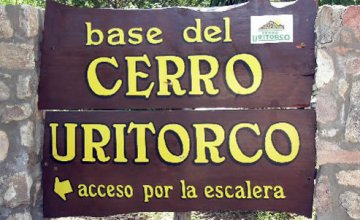 The Uritorco Hill
Just 3 kilometers away from downtown Capilla del Monte, thousands of tourists, members of expeditions, metaphysicians and fans get here to climb Uritorco Hill.
The setting is not something that has changed out of the blue.Since many years ago, some facts have not been rationally explained - lights moving at the top of the hill, UFOs presence, energetic fields, hidden cities or gates to other dimensions.
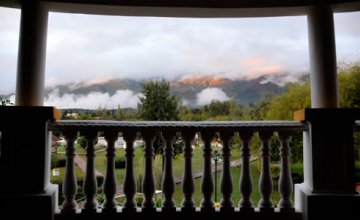 Merlo´s Micro Climate
The city of Villa de Merlo has earned the prestige to have the Third Micro Climate in the World. It may sound like a slogan, but it is true and it is good to know why.
"The climate of Merlo is healing", is a phrase we heard repeatedly. The old dwellers of this region used to attribute special features to the climate and they could not understand how the cacti could co-exist with the ferns on the hillsides.
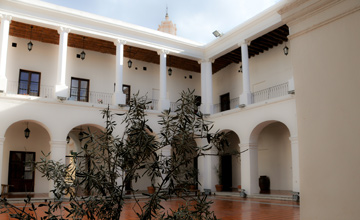 The Jesuit estancias
The walls of these estancias hide centuries of Argentine history. Raised by the Jesuits between 1616 and 1725, they emerged to provide economic support to their evangelizing task in the region.
Late in 2000, the Jesuit Block and the Estancia Road were declared World Heritage by UNESCO.
A journey into the past to see the work done by the Company of Jesus in our territory.
