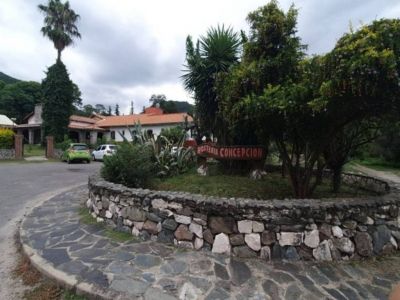
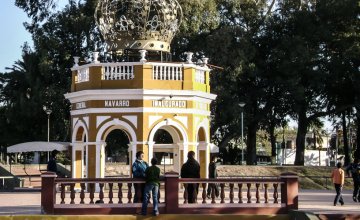
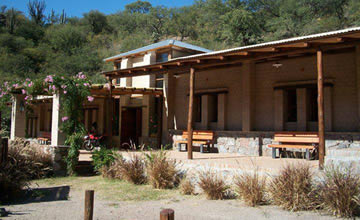
Its original inhabitants date long before the arrival of the Incas. The town as it is known today was founded in 1681, in honor of the Virgin of Bethlehem.
Route of the Loom in Bethlehem
-
Route of the Loom in Bethlehem
-
Route of the Loom in Bethlehem
-
Route of the Loom in Bethlehem
-
Route of the Loom in Bethlehem
-
Route of the Loom in Bethlehem
-
Route of the Loom in Bethlehem
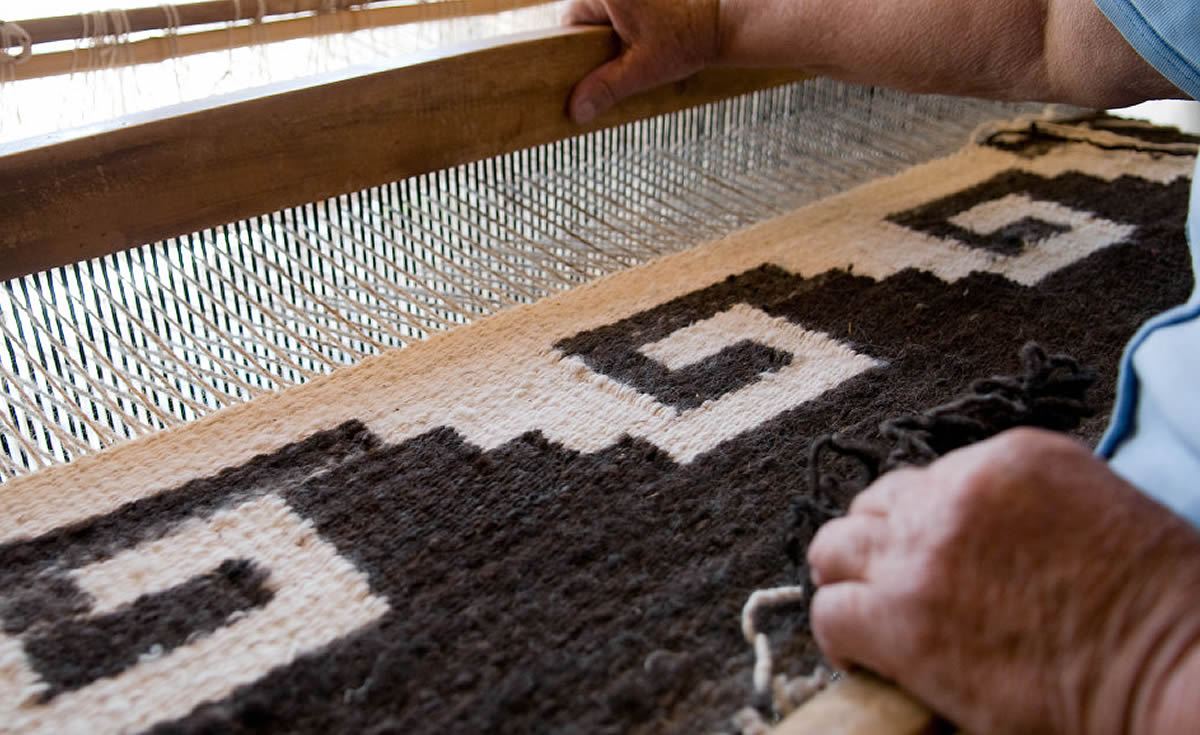
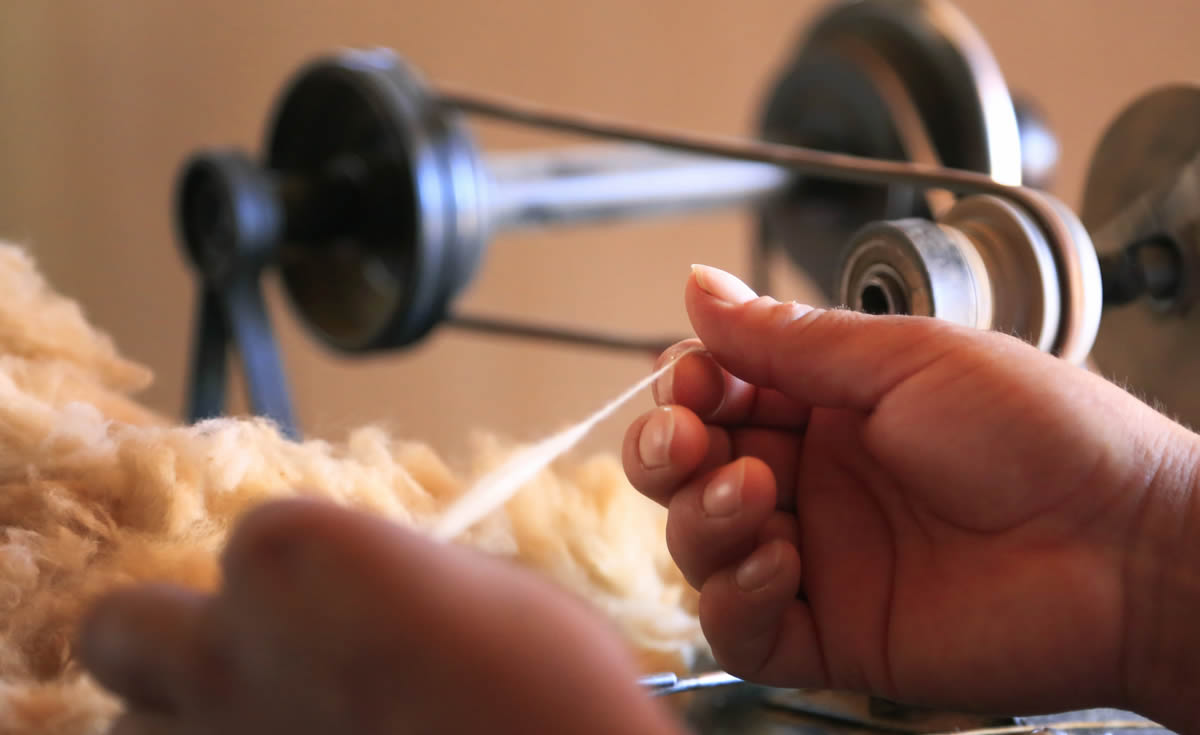
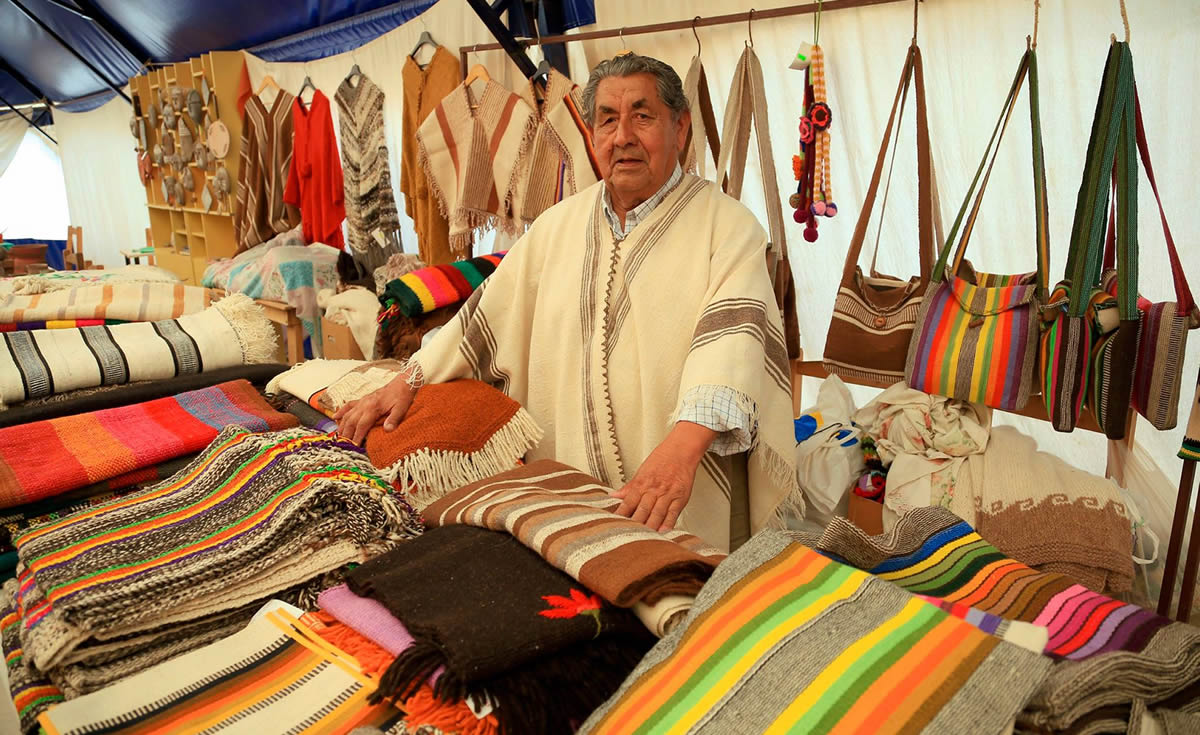
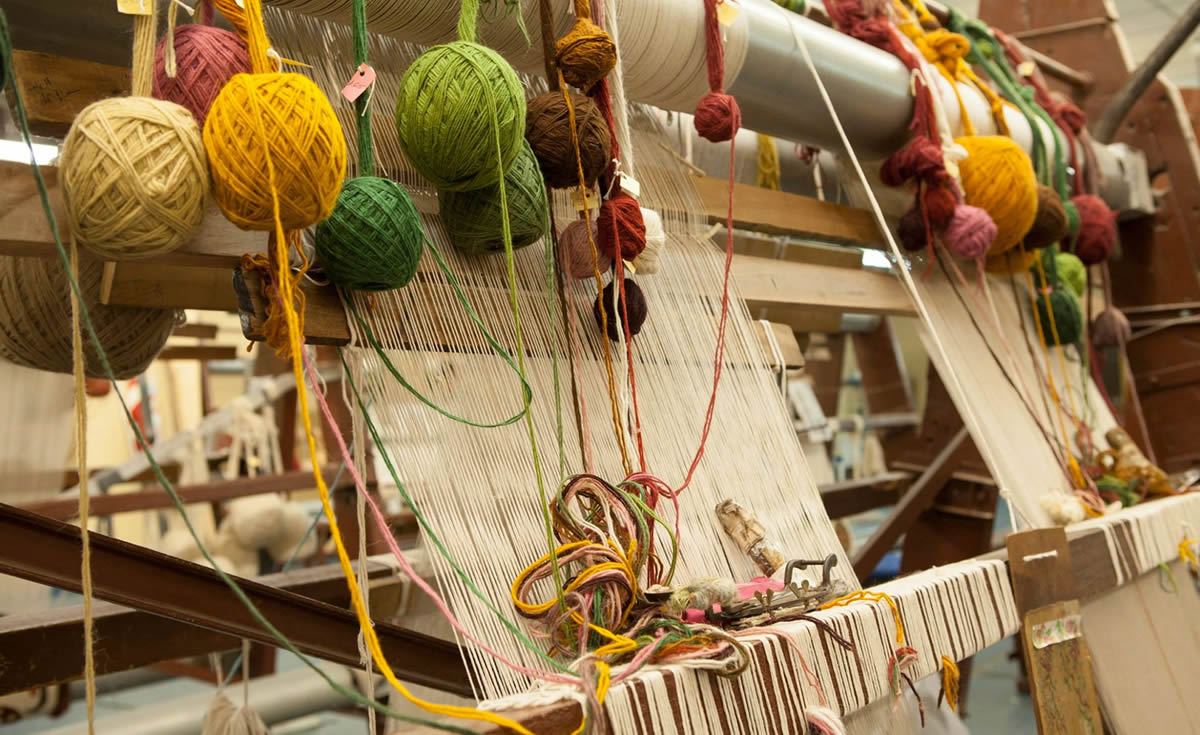
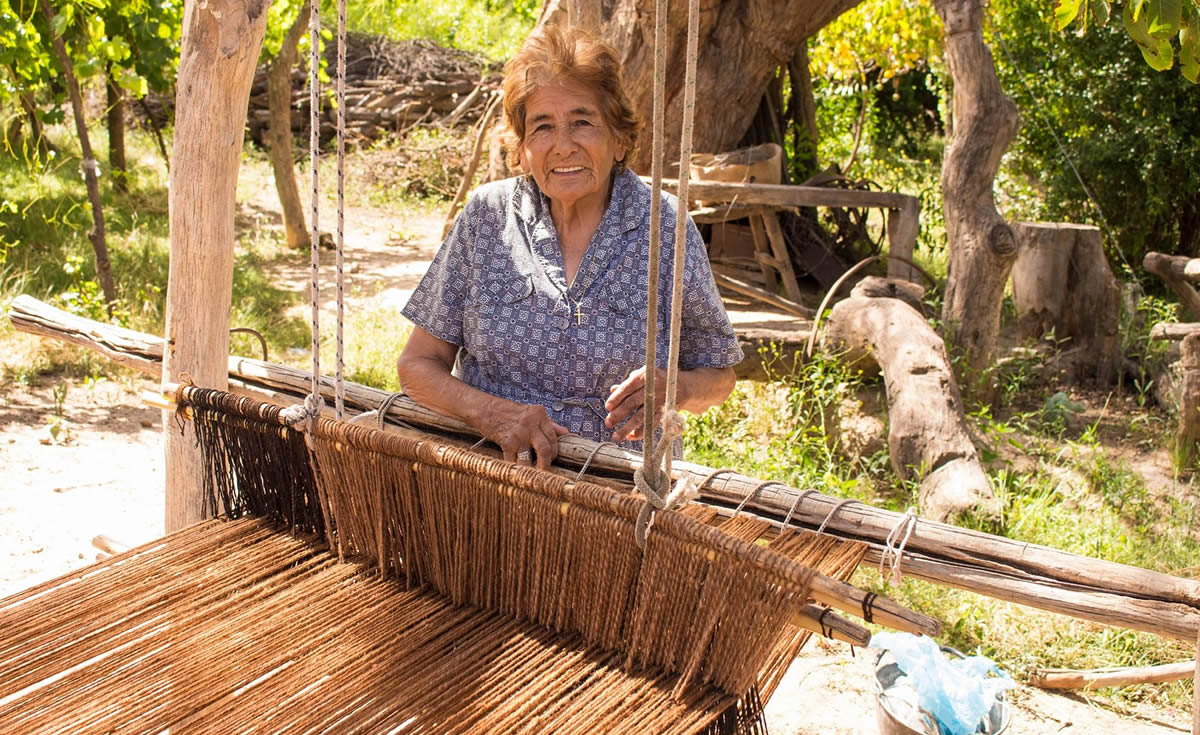
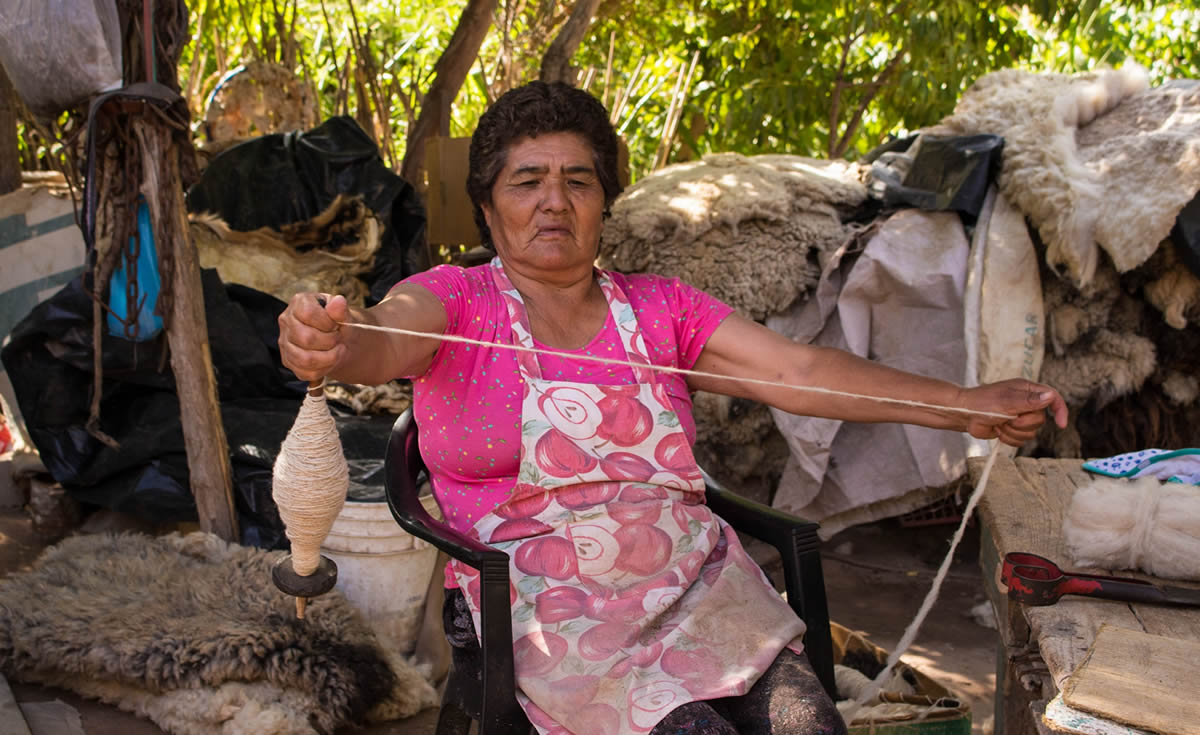
All this cultural heritage translates into beautiful fabrics of sheep, llama, alpaca and vicuña wool. All, except alpaca, are local fibers. They are ponchos, blankets, shawls, scarves, headbands, table runners, scarves and bow ties that visitors can buy but there is also time to meet. So the contact with the artisans is direct and the invitation is open to share a while, a round of mate, a talk to recognize that way of life that translates into a task linked to the roots. The Route of the Loom is a collective venture. In addition to the exhibition of the products as sustenance for the community, the proposal promoted by the Ministry of Tourism, the Secretariat of Family Agriculture and the Wool-Fiber Value Chain of the province nuclea to artisans, family workshops and cooperatives of weavers to take care of that cultural treasure, those inheritances and that ancient trade, and thus keep the Creole loom alive. The colors of the earth and the hills are mixed in the designs in loom, the smooth guards and the tied guards can show rich varieties at the eye of a good connoisseur, but without a doubt what moves is that ancestral link that is preserved in the Route of the loom. Warp of fabrics, traditions and streams.
 Miriam Coronel
 Gentileza Turismo.catamarca.gob.ar