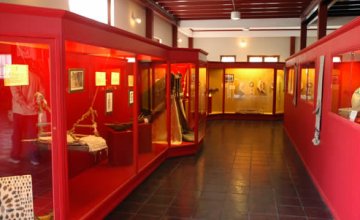
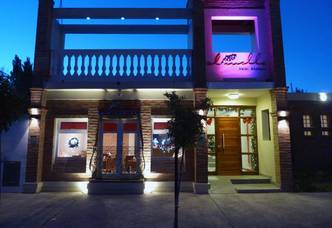
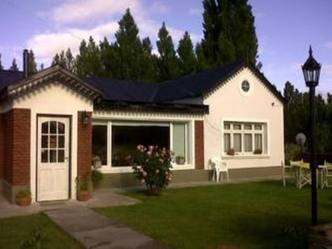
As we entered the Desiderio Torres Regional Museum, the first thing we felt was the hard work done to show the entire collection to visitors. Every room illustrates each period of time in detail and the material on display is clear and accurate.
Inaugurated on June 21, 1972, it houses pieces, writings and documents of great historical and emotional value belonging to those who settled this Patagonian area any time in the past. Arrow tips, pieces made of bone, harpoons, needles, ceramics and ritual items are exhibited in the glass cabinets. Among original pieces, we found a beautiful fur blanket (quillangos) of Tehuelche origin made of leather and ostrich feathers, donated by a traditional Welsh family.
Paleontologic Room
This room displays original dinosaur pieces of important paleontological value dug up in this region and recognized by the National University of Patagonia San Juan Bosco and the Municipality of Sarmiento. A cooperation and return agreement was signed between these institutions in 1994.
Cultural Treasures in the Regional Museum
-
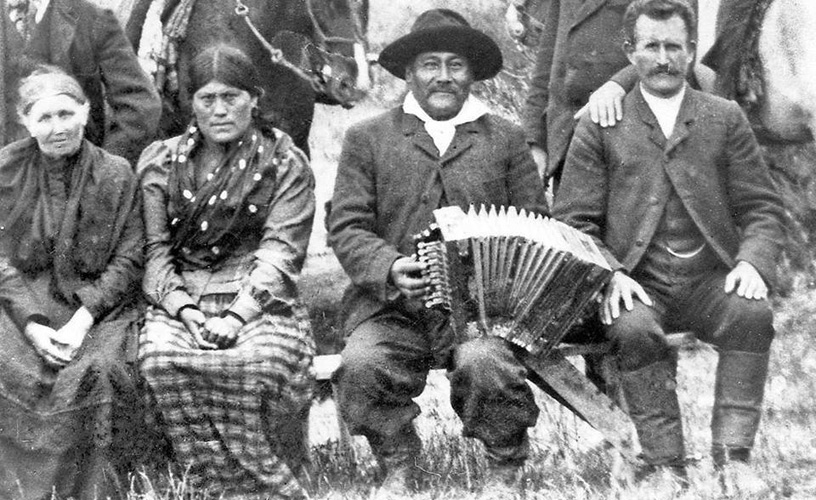
Photograph of first settlers
-
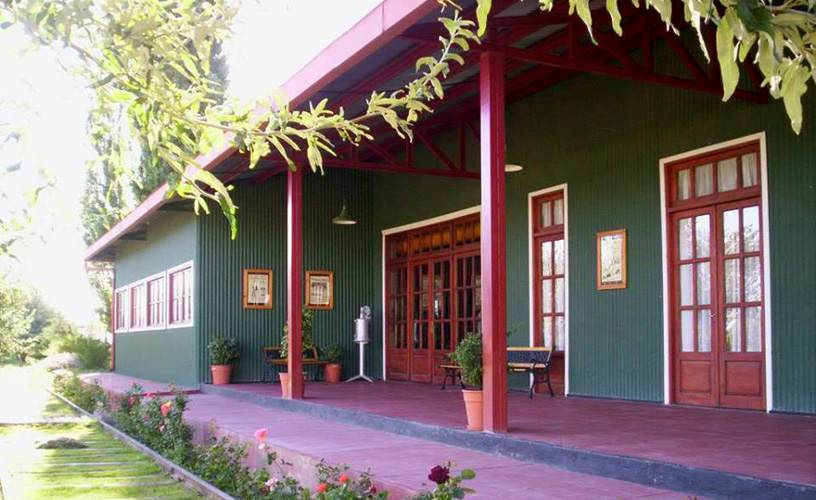
Old Railway Station
-
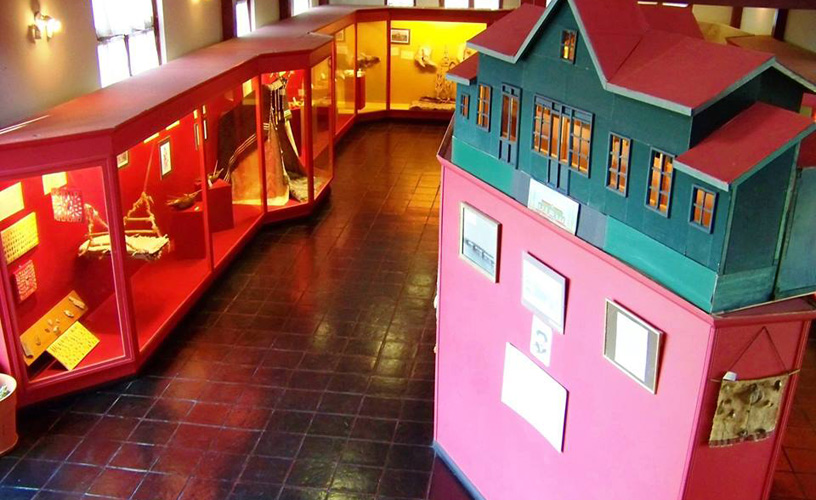
The Settlers Room
-
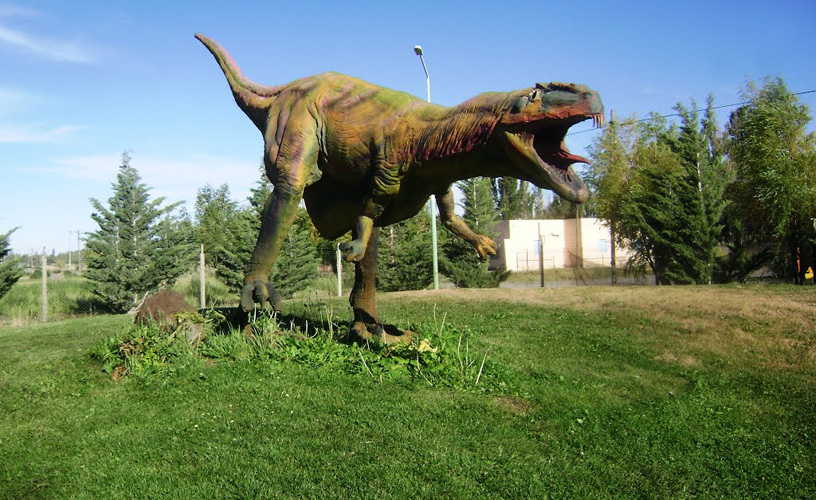
Paleontology
-
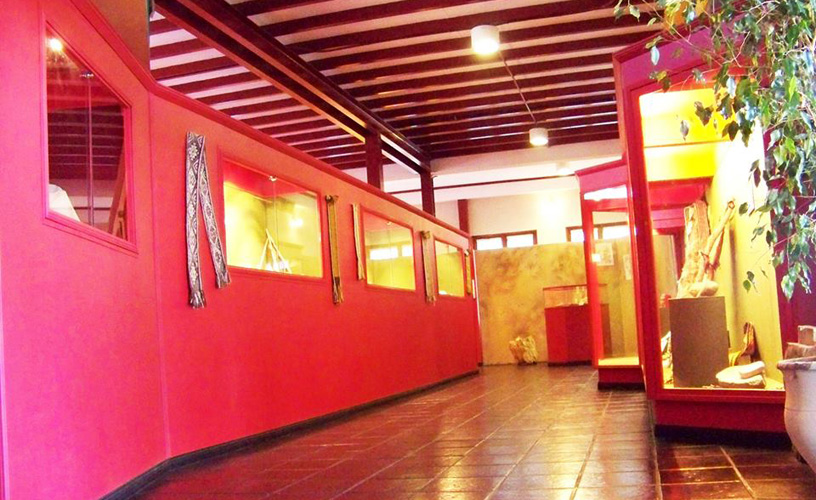
Pottery
-
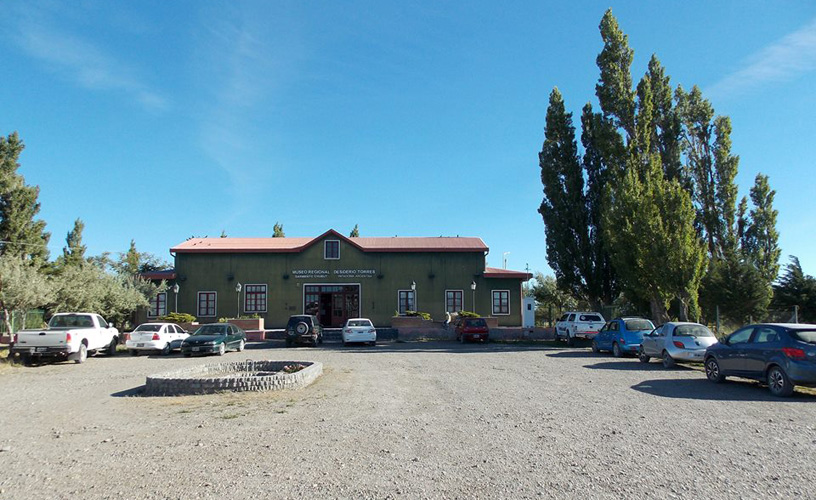
A journey to the past
Archeological Room
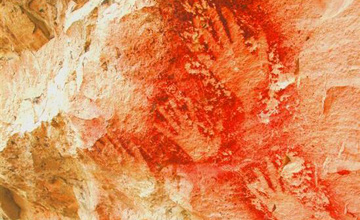
The existence of Tehuelche and Mapuche cultures (already disappeared) in the Valley of Sarmiento and its surroundings is also evidenced with the objects of everyday life on display in this room.
It is thought that about 24,000 pieces related to these cultures have been found, out of which 16,000 are displayed and are part of a rich heritage. This is a wide interesting array of stone material and the most ancient pieces date from 10,000 years ago.
This collection contains arrow tips made of several materials, of various shapes and age. Besides, visitors can find knives, grinders, lucky charms, remains of pottery, maps and pipes, to mention but a few, all of them labeled with their respective origins.
The Settlers Room
The first settlers of Sarmiento were of Welsh origin. Later on, this region welcomed people from other European cities to settle down here. Numberless photographs show the arrival and activities developed in this town. Letters, documents, furniture and farming tools evidence the first years of life of this town.
With great proud and on a preferential spot is the first Argentinian flag hoisted in Colonia Sarmiento. Made of sheet fabric, the flag has a sun painted with saturation painting technique with dyes extracted from the calafate roots. Considered as the most priceless item on display in the museum, this work was made by aboriginal women.
Pottery
A wide variety of pieces of pottery made of local clay are displayed on the shelves and in some sections in the pottery room. Together with some pieces from the past of the Tehuelche and Mapuche communities, there are more recent pieces made with great effort and respect for ancient cultures.
The same building houses the Center of Indigeneous Weaving, where the Tehuelche symbols, patterns and drawings are recovered.
It is worth a journey to the past for a few minutes to learn more about history and pay our own tribute to this town.
 Mónica Pons
  Secretaría de Turismo de Sarmiento