In the neighborhood of La Boca, in an old Italian Renaissance style house built in 1902, the Historical Wax Museum invites you to learn about the history of the south of the province of Buenos Aires, an important collection of cultural interest that is presented very didactic for all types of public.
Historical Wax Museum
In the neighborhood of La Boca, a cultural proposal surprises with its own inspiration. The Historical Wax Museum invites you to discover history with a different look.
-
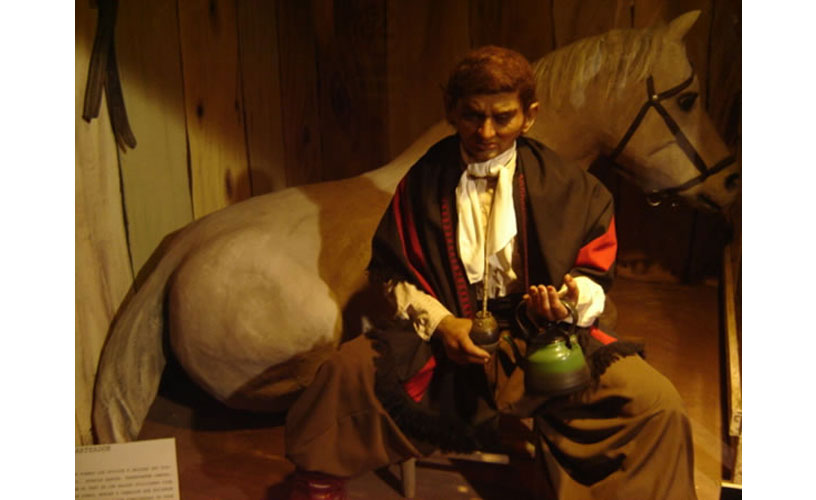
The Cuarteador
-
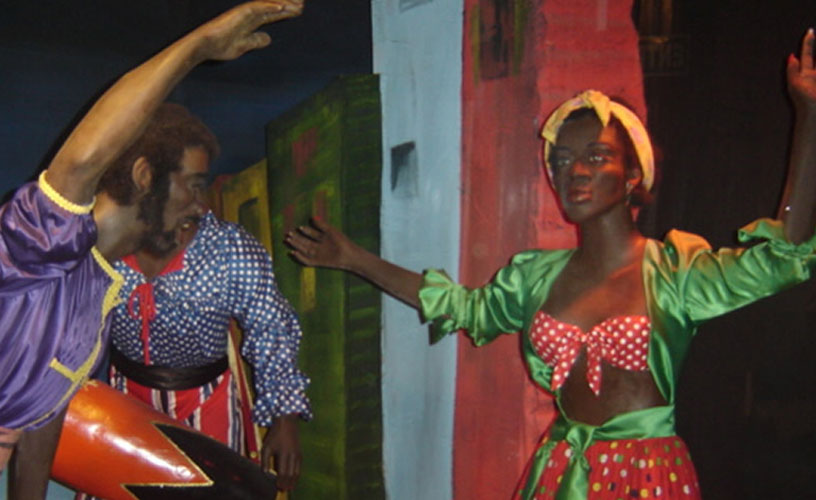
Candombe
-
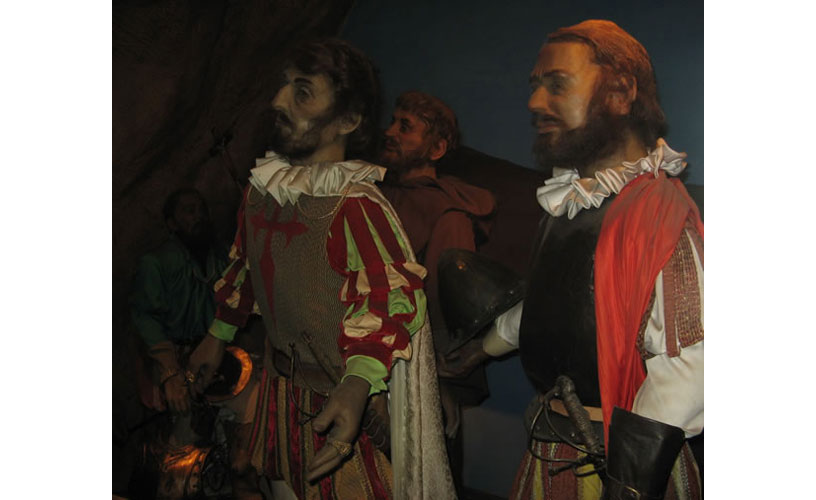
First Foundation of Buenos Aires
-
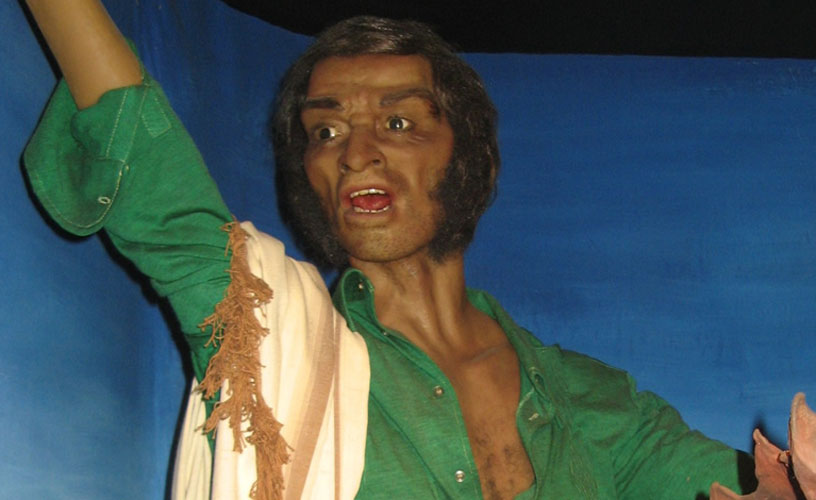
Dressage horse
-
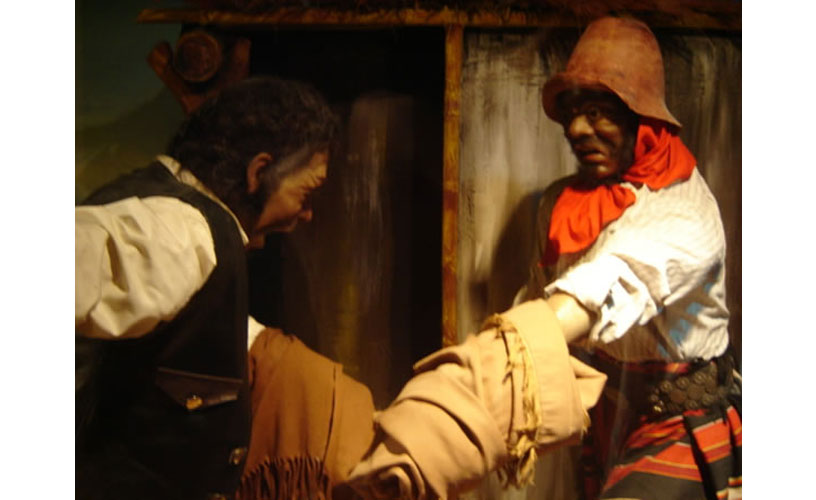
The duel with knife
-
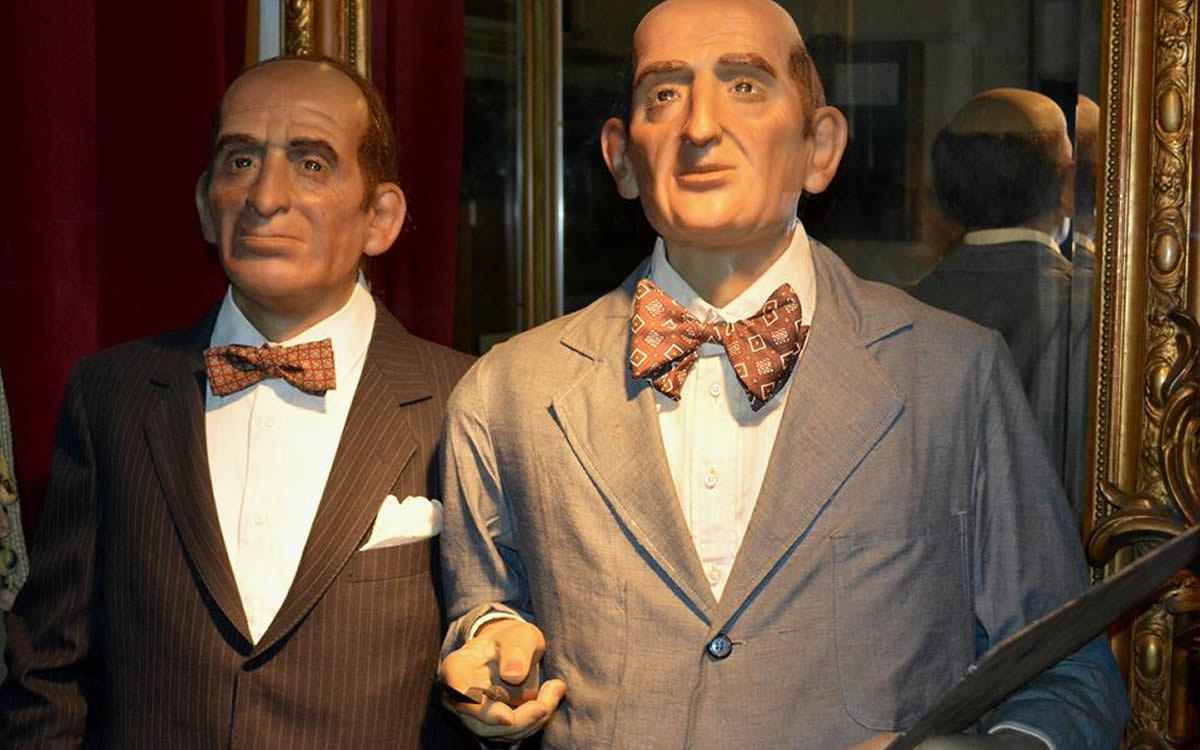
Juan de Dios Filiberto and Benito Quinquela Martín
-
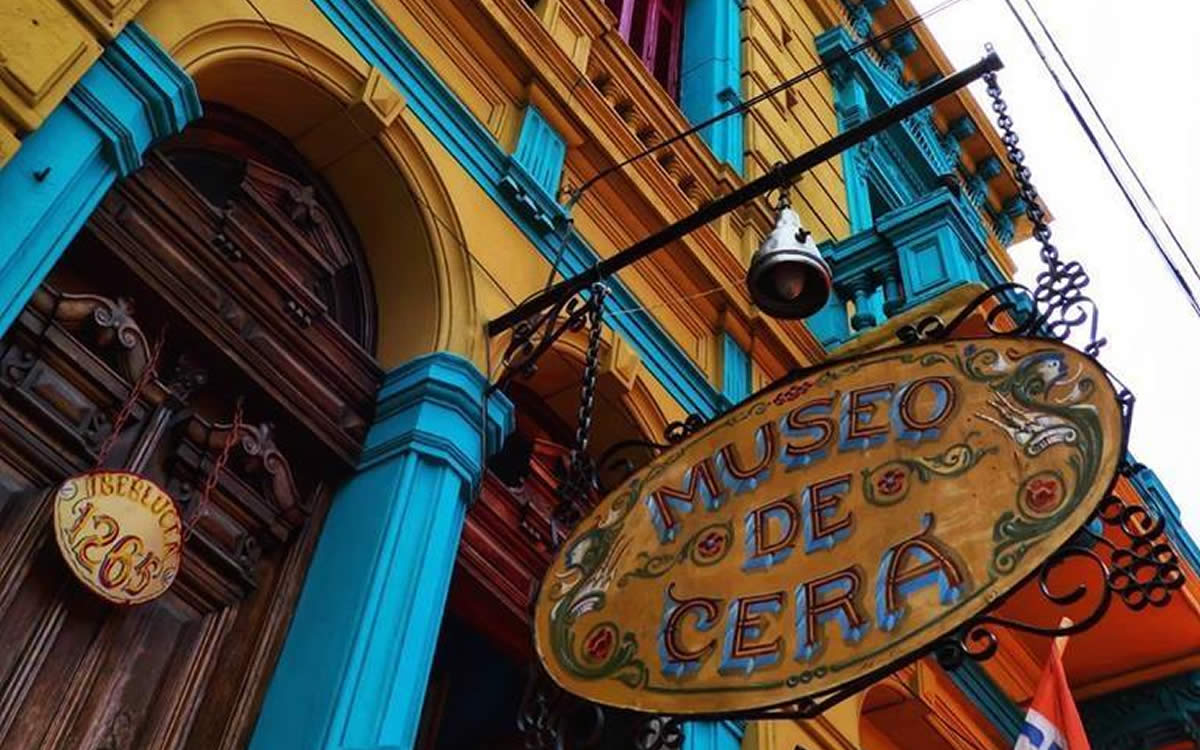
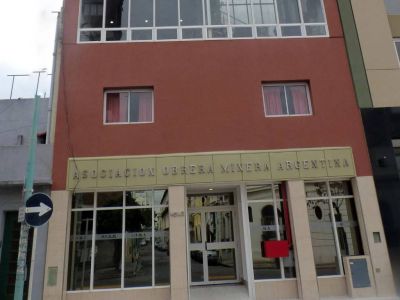
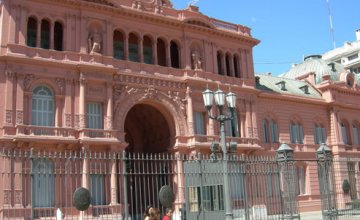
Museum facade
More than wax figures
The expert in ceroplastic, taxidermist and restorer of works of art, Domingo Tellechea, inaugurated in 1980 this museum with the aim of creating a different cultural space, a site that gave rise to both research and curiosity to understand important moments of the Argentine history through significant elements or characters made with the technique of ceroplastics. The walk between well-known characters who watch us go through tries to record more easily history facts linked to those who inhabit the house of La Boca. The experiences of the conquerors like Pedro de Mendoza and Juan de Garay speak of the foundations of Buenos Aires. The foundation is an eternal link with the homeland. Thus the poet Borges says: “And it was through this river of dream and mud that the bows came to found my homeland? They would go to the tumbos the little boats painted between the camalotes of the zaina current ”. The journey through the past leads to expeditions at the borders, the freedom of the gaucho, the testimonies of the chiefs of the Pampas region ... Everyone meets at the museum, where the country man and powerful governor of the province are not lacking. The colors of Quinquela and the compasses of Juan de Dios Filiberto came with the tones of La Boca and its typical postcard. This educational and educational value is expanded with different perspectives of the institution. From the very essence of the museum and its characters inserted in one of the neighborhoods of the beginning of the century, the southern epic, the first settlement of the city, the arrival of European immigrants, daily life, shipyard workers are exposed , the characteristic conventillos, Caminito Street, the life and work of Quinquela Martín, the plastic artists and the port of La Boca. Thanks to the inspiring work of Tellechea, the art in wax and the malleability of this material, a journey of stories and legends transports visitors to experience history and hear the voices of some of its most important protagonists from the origins of Buenos Aires to the present. It is not just wax figures, but the dimension that is created from the atmosphere necessary to feel the projection of that story on the skin. In this way, art and history go hand in hand in a perfect symbiosis. The Historical Wax Museum has been declared of Cultural Interest by the Secretary of Culture of the City, Site of Cultural Interest by the Honorable Deliberative Council of the City and Cultural Historical Heritage by the Government of the City.
 Miriam Coronel
 Gentileza Museo Histórico de Cera
Contact of the excursion or tour
Museo Histórico de Cera
Del Valle Iberlucea 1261 - Bº La Boca, Ciudad de Buenos Aires, Ciudad de Buenos Aires, Agentina
 Phone: +54 11-43011497
 Tour type: Visit to Museum
 Opening hours: Mondays thru Fridays from 10am to 6pm; Saturdays, Sundays and holidays, from 11am to 8pm.